
5 Common Lawn Care Mistakes Homeowners Make

March 18, 2026

A lush, healthy lawn is more than just an aesthetic asset—it enhances property value, improves curb appeal, and creates a welcoming outdoor environment for family and friends. Yet, achieving a vibrant lawn is not as simple as mowing and watering; it requires knowledge, consistency, and attention to detail. Many homeowners inadvertently undermine their lawn’s potential by making common mistakes that compromise its health, appearance, and longevity. From improper watering practices to neglecting seasonal maintenance, these errors can lead to patchy grass, pest infestations, and even soil degradation. Additionally, environmental factors such as changing weather patterns, soil type variations, and local pest populations further complicate lawn care, making it essential for homeowners to adopt informed strategies rather than relying on guesswork or generic advice.


Understanding these mistakes is crucial for anyone who wants to maintain a thriving lawn. By identifying and addressing the pitfalls that homeowners frequently encounter, you can implement practices that promote resilient, green, and beautiful turf. In this guide, we will explore five of the most common lawn care mistakes, explain why they occur, and provide actionable strategies to avoid them. Whether you are a new homeowner or a seasoned gardener, this resource will equip you with expert insights to elevate your lawn care practices, prevent long-term damage, and enjoy a healthier, more attractive yard throughout the year. With the right combination of knowledge, planning, and consistent effort, even challenging yards can be transformed into lush, thriving landscapes that are the envy of the neighborhood.

1. Overwatering or Underwatering Your Lawn

Understanding Proper Lawn Hydration

One of the most frequent mistakes homeowners make is mismanaging irrigation. Both overwatering and underwatering can seriously stress grass, leading to weak roots, disease, and uneven growth across your lawn. Lawns generally require about 1 to 1.5 inches of water per week, including rainfall, though this amount may vary based on grass type, soil composition, and local climate conditions throughout the year.


Signs You Are Overwatering

Excessive watering can saturate the soil, depriving roots of oxygen and encouraging fungal growth that spreads rapidly in warm, humid conditions. Common indicators include soggy patches, a spongy lawn texture, or persistent puddling after rain. Overwatered grass may also show signs of yellowing or thinning, as shallow roots struggle to establish, ultimately weakening your lawn’s overall resilience.


Risks of Underwatering

On the other hand, underwatering deprives grass of the essential moisture it needs for photosynthesis, causing wilted, brown, and brittle blades that look unhealthy. Extended dry periods can trigger drought stress, leaving your lawn susceptible to weeds, pests, and soil erosion if not addressed promptly and consistently.


Best Practices for Optimal Watering

  • Water deeply but infrequently to encourage deep root growth and long-term lawn strength.
  • Early morning irrigation reduces evaporation, minimizes fungal risk, and supports healthier growth.
  • Adjust frequency seasonally and based on rainfall patterns to maintain consistent hydration.

By understanding your lawn’s unique needs, you can maintain proper hydration and prevent long-term damage, promoting a healthier, more resilient lawn that thrives throughout the year.

2. Mowing Mistakes That Damage Your Lawn

Cutting Too Short

Scalping, or cutting grass too short, is a common error that can weaken turf and expose soil to erosion, particularly during hot or dry periods. Removing more than one-third of a grass blade at a time stresses the plant, slows growth, and reduces its ability to photosynthesize effectively, leaving your lawn vulnerable to weeds and disease.

Inconsistent Mowing Practices

Irregular mowing schedules can also harm your lawn over time. Allowing grass to grow excessively before cutting can result in uneven clippings, increased weed growth, and a less manicured appearance. Conversely, mowing too frequently can wear down grass, compact soil, and reduce the lawn’s natural resilience to environmental stressors.

Dull Mower Blades

Using dull mower blades tears grass instead of cutting it cleanly, creating ragged edges that brown quickly. This damage not only looks unattractive but also provides an entry point for pests and fungal diseases, further compromising lawn health and long-term growth potential.

Expert Mowing Recommendations

  • Keep mower blades sharp and maintain proper height for your grass type (usually 2.5–3 inches for most cool-season grasses).
  • Mow consistently and avoid removing more than one-third of the blade in a single session to prevent stress.
  • Leave clippings on the lawn when possible; they naturally return nutrients to the soil.

Proper mowing practices are critical to maintaining a dense, healthy lawn and preventing unnecessary stress, ensuring your yard remains attractive and resilient throughout all seasons.

3. Neglecting Soil Health and Fertilization

  • Understanding Soil Composition

    Many homeowners focus on grass type and appearance but overlook the foundation of a healthy lawn: the soil itself. Soil quality directly affects water retention, nutrient availability, and root development, which are essential for long-term growth. Compacted or nutrient-poor soil can lead to thin, patchy turf that struggles to thrive under environmental stresses or seasonal changes.

  • Common Fertilization Mistakes

    • Applying fertilizer too frequently or in excessive amounts can burn grass, damage roots, and contaminate nearby groundwater.
    • Using the wrong type of fertilizer for your specific soil and grass can create nutrient imbalances, leading to weak growth.
    • Neglecting seasonal fertilization reduces grass vitality and weakens root systems over time, increasing susceptibility to pests and disease.
  • Strategies to Improve Soil Health

    • Conduct a soil test every 2–3 years to determine nutrient deficiencies, pH levels, and overall soil composition.
    • Apply slow-release fertilizers at recommended rates to provide steady, long-lasting nourishment to your lawn.
    • Incorporate organic matter, such as compost, to improve soil structure, microbial activity, and water retention.

    Maintaining soil health ensures that your lawn has the nutrients it needs for robust growth and resilience against environmental stressors, establishing a strong foundation for a beautiful yard.


4. Ignoring Weed, Pest, and Disease Management

The Importance of Preventive Care

Weeds, pests, and diseases can quickly overwhelm a lawn if left unchecked, often resulting in costly remediation and permanent turf damage. Neglecting these issues is one of the most common mistakes homeowners make, and addressing problems proactively ensures the lawn remains healthy and visually appealing.


Common Lawn Threats

  • Weeds such as crabgrass, dandelions, and clover compete aggressively for nutrients, sunlight, and space.
  • Pests like grubs, chinch bugs, and sod webworms feed on roots and foliage, causing widespread damage.
  • Diseases including brown patch, powdery mildew, and rust thrive in stressed or overwatered lawns, spreading rapidly if untreated.


Effective Management Techniques

  • Maintain proper mowing, watering, and fertilization practices to keep grass healthy and naturally resistant to problems.
  • Apply pre-emergent herbicides in spring to prevent weed germination before it starts.
  • Use integrated pest management strategies to control insects effectively while minimizing chemical use.
  • Remove diseased grass promptly and reseed affected areas as needed to restore lawn health.

Proactive attention to these issues helps preserve lawn integrity, reduces the need for reactive, expensive treatments, and promotes long-term, sustainable growth.

5. Overlooking Seasonal Lawn Care Practices

Spring and Fall Are Critical

Many homeowners treat lawn care as a year-round afterthought, failing to adjust practices according to seasonal changes and weather conditions. Each season presents unique challenges and opportunities for promoting healthy grass growth, and neglecting them can cause irreversible damage over time.

Seasonal Mistakes

  • Spring: Failing to dethatch, aerate, or overseed can leave lawns weak, thin, and prone to weeds.
  • Summer: Overlooking irrigation adjustments and pest monitoring during hot months can lead to drought stress, insect damage, and brown patches.
  • Fall: Neglecting fertilization and leaf removal reduces nutrient storage, weakening your lawn’s winter survival capacity.
  • Winter: Ignoring foot traffic and compaction on frozen turf can create long-lasting damage that carries over into spring.

Best Seasonal Practices

  • Aerate compacted soil in early spring or fall to improve root penetration, water absorption, and nutrient uptake.
  • Overseed thin areas to promote a denser lawn and enhance overall resilience.
  • Adjust watering frequency based on seasonal rainfall, temperature, and environmental conditions.
  • Remove debris and fallen leaves to reduce the risk of disease and fungal growth.


Seasonally tailored lawn care ensures your turf remains vibrant, resilient, and prepared for environmental fluctuations throughout the year, resulting in a consistently healthy and attractive lawn.

Trusted Lawn Care Experts Committed To Your Success

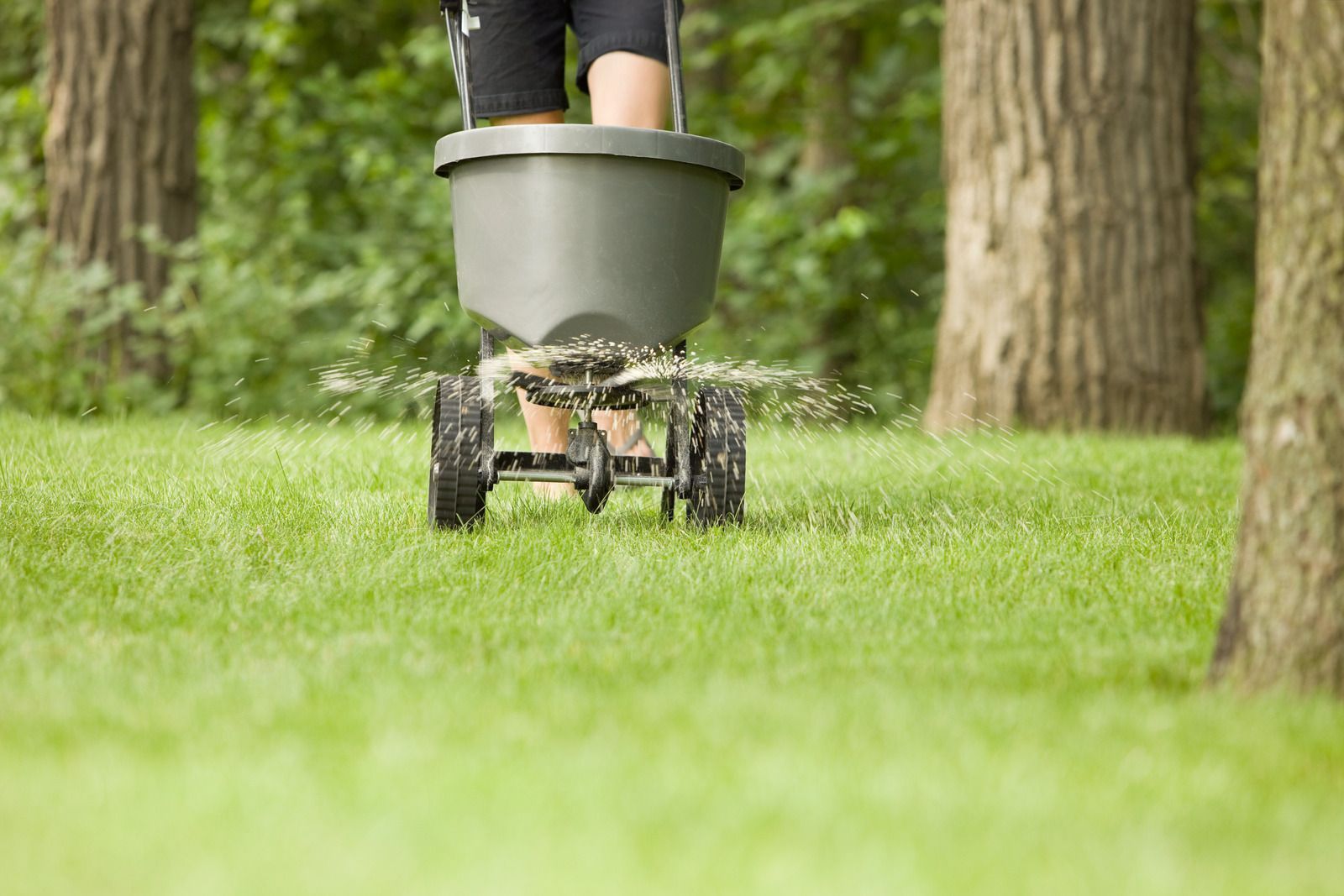
Person fertilizing lawn with a wheeled spreader; green grass and trees in the background.
February 24, 2026
A vibrant, healthy lawn is more than just a patch of green; it’s a reflection of care, attention, and proper maintenance, and it also serves as an inviting space for outdoor activities and relaxation. In today’s fast-paced world,
Storefront with
January 30, 2026
A lush, green lawn is more than just an aesthetic choice—it is a reflection of careful planning, proper maintenance, and a deep understanding of plant health.

Person fertilizing lawn with a wheeled spreader; green grass and trees in the background.
February 24, 2026
A vibrant, healthy lawn is more than just a patch of green; it’s a reflection of care, attention, and proper maintenance, and it also serves as an inviting space for outdoor activities and relaxation. In today’s fast-paced world,
Storefront with
January 30, 2026
A lush, green lawn is more than just an aesthetic choice—it is a reflection of careful planning, proper maintenance, and a deep understanding of plant health.