Why Healthy Lawns Start with the Right Fertilization Plan
January 30, 2026
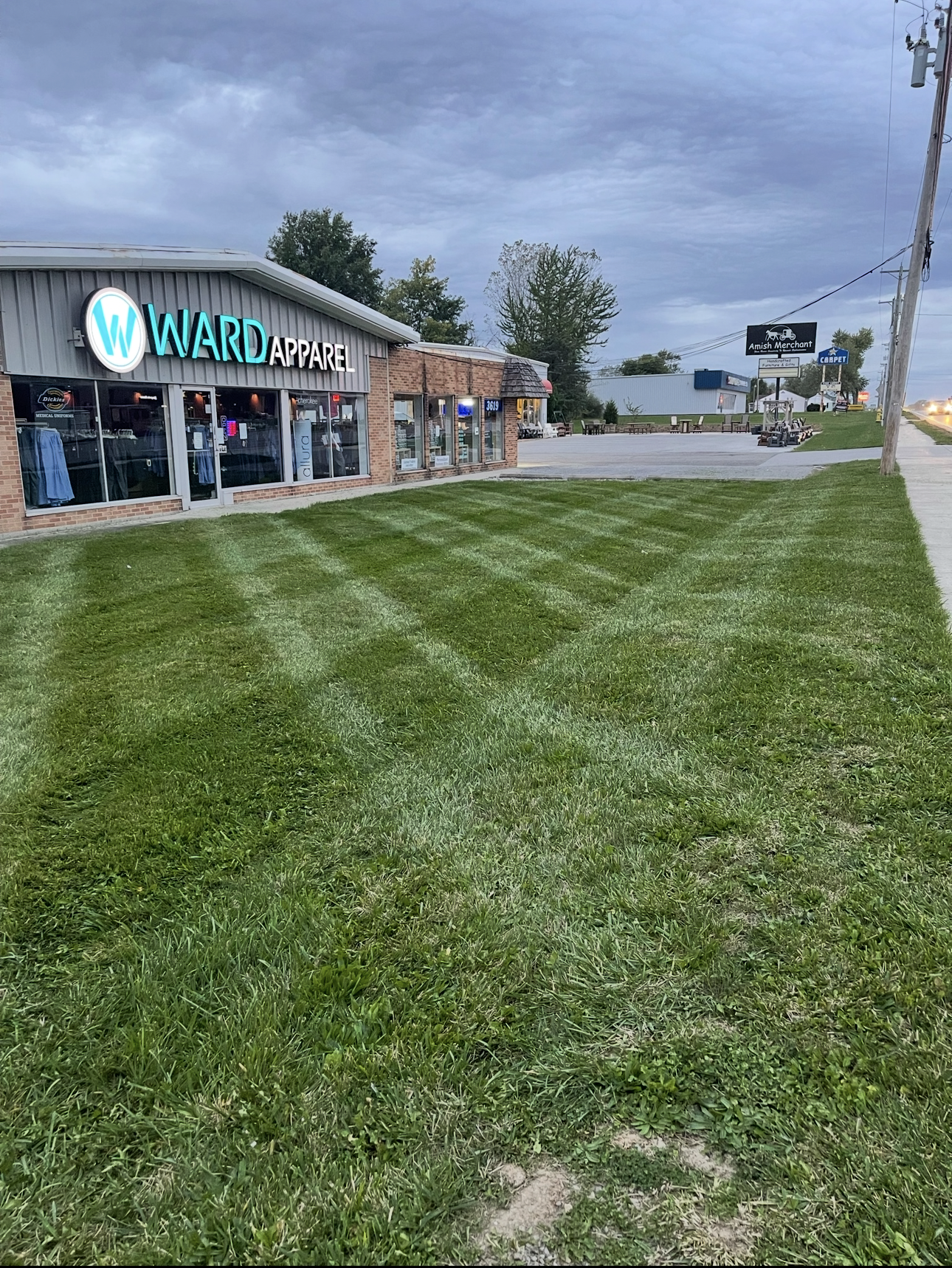
A lush, green lawn is more than just an aesthetic choice—it is a reflection of careful planning, proper maintenance, and a deep understanding of plant health. For homeowners and property managers alike, achieving a thriving lawn requires more than frequent mowing and watering. Central to this is a carefully designed fertilization plan that addresses the specific needs of grass species, soil conditions, and seasonal growth patterns. Without the right nutrients at the right time, even the most diligent lawn care efforts may fall short, resulting in patchy growth, weed infestations, and long-term damage.
Fertilization is not a one-size-fits-all process. A strategic approach considers the balance of nitrogen, phosphorus, and potassium, soil pH, and local climate conditions. When executed correctly, fertilization enhances root development, improves drought tolerance, and boosts overall resilience, ensuring your lawn remains healthy year-round. Beyond the visual appeal, a strong lawn contributes to environmental benefits such as improved air quality, reduced soil erosion, and natural cooling of outdoor spaces. Understanding the principles behind effective fertilization is essential for homeowners who want their lawns to flourish while minimizing costly mistakes and unnecessary chemical use. In this guide, we will explore why a proper fertilization plan is foundational to healthy, sustainable lawns.
Understanding Lawn Fertilization
What Fertilization Really Means
Fertilization is the process of supplying essential nutrients to the soil and grass to promote healthy growth. Grass requires three primary macronutrients: nitrogen (N), phosphorus (P), and potassium (K). Nitrogen drives leaf and stem growth, phosphorus supports root development, and potassium enhances stress resistance. While these three elements are crucial, secondary nutrients such as calcium, magnesium, and sulfur also play important roles in maintaining soil fertility and lawn health.
Why Soil Testing Matters
Before applying any fertilizer, soil testing is critical. Soil tests provide a clear picture of nutrient deficiencies and soil pH levels, which directly impact grass health. For instance, overly acidic or alkaline soil can prevent nutrients from being absorbed efficiently, making even regular fertilization ineffective. By testing the soil, homeowners can select fertilizers tailored to their lawn’s unique needs, ensuring that every application contributes to strong, sustainable growth rather than wasteful overfeeding.
Timing and Frequency of Fertilization
The timing of fertilizer application is as important as the type of fertilizer used. Spring and fall are typically the best seasons for fertilization in most climates, aligning with peak grass growth periods. Over-fertilization in summer can stress the lawn, especially under heat and drought conditions, while under-fertilization may result in thin, weak turf. Establishing a seasonal schedule helps maintain balanced growth, prevents nutrient leaching, and optimizes both appearance and resilience.
Types of Lawn Fertilizers
Synthetic Fertilizers
Synthetic fertilizers are chemically formulated to deliver precise nutrient ratios quickly. They are ideal for rapid growth and immediate results, particularly in lawns showing visible nutrient deficiencies. Common synthetic options include granular and liquid fertilizers. Granular fertilizers provide slow-release nutrients, while liquid fertilizers offer fast absorption through grass leaves. Though effective, synthetic fertilizers require careful application to avoid burn or runoff that can harm surrounding vegetation and water systems.
Organic Fertilizers
Organic fertilizers, derived from natural sources such as compost, manure, or bone meal, release nutrients slowly and improve soil structure over time. They are environmentally friendly and promote beneficial microbial activity in the soil. While results may take longer to manifest compared to synthetic options, organic fertilizers build long-term soil health, reduce chemical exposure, and often improve water retention. Many homeowners combine organic and synthetic fertilizers to balance immediate lawn needs with sustainable soil enrichment.
Choosing the Right Fertilizer
Selecting the correct fertilizer involves understanding your lawn’s nutrient requirements, growth patterns, and environmental conditions. Lawns with heavy foot traffic may need nitrogen-rich fertilizers to support regrowth, while shaded areas may require fertilizers formulated to strengthen roots and enhance resilience. Reading fertilizer labels and consulting with lawn care professionals can prevent mistakes such as over-application or nutrient imbalance, which can lead to excessive thatch, fungal growth, or weak turf.
Common Lawn Fertilization Challenges
Over-Fertilization and Chemical Burn
Over-fertilization is one of the most frequent mistakes homeowners make. Excessive nitrogen, in particular, can cause “fertilizer burn,” where the grass turns brown and scorched due to salt accumulation in the soil. Burned lawns not only look unhealthy but may take weeks to recover, requiring additional water, aeration, and corrective fertilization.
Weed and Pest Management Interference
Improper fertilization can inadvertently encourage weed growth and pest infestations. Fertilizers high in nitrogen may promote fast-growing weeds that outcompete grass, while stressed or nutrient-deficient lawns are more susceptible to insects and fungal diseases. Integrating fertilization with regular mowing, aeration, and pest control strategies ensures that nutrients strengthen the grass rather than unwanted vegetation.
Seasonal and Environmental Constraints
Weather conditions, soil moisture, and temperature fluctuations significantly impact fertilization effectiveness. Applying fertilizer before heavy rain can lead to nutrient runoff, contaminating waterways. Similarly, fertilizing dormant or frost-sensitive lawns may waste nutrients without contributing to growth. Understanding these seasonal and environmental constraints is essential for applying fertilizer safely and effectively.
Best Practices for Effective Fertilization
Soil Preparation
Proper soil preparation is the foundation of successful fertilization. This includes aerating compacted soil, removing debris, and addressing drainage issues. Aeration creates channels for water, air, and nutrients to penetrate the root zone, maximizing fertilizer absorption. By preparing the soil, homeowners create an environment where nutrients can be efficiently utilized, leading to thicker, healthier grass.
Correct Application Techniques
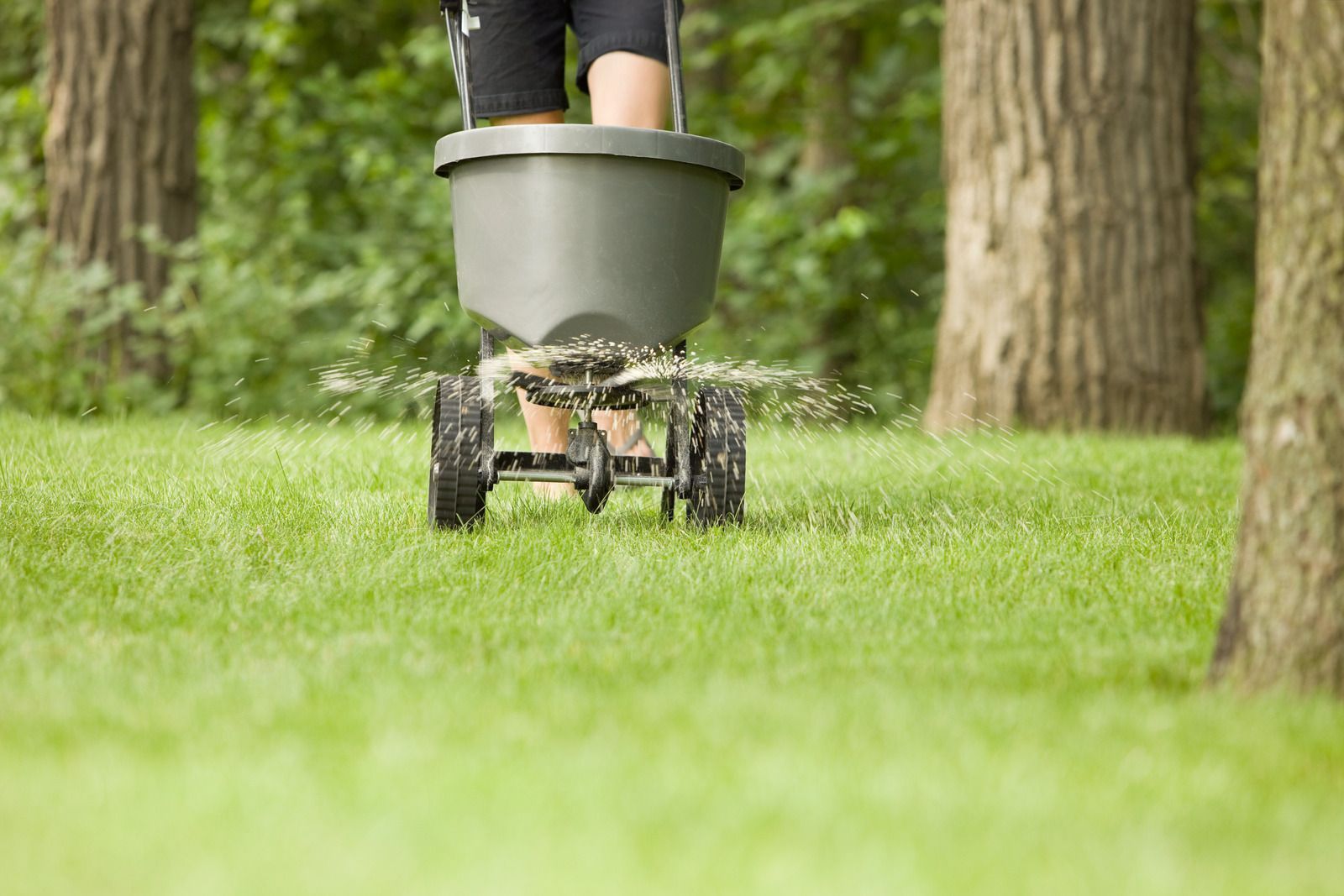
Applying fertilizer uniformly is critical to prevent patchy growth or over-concentrated spots. Granular fertilizers should be spread using a broadcast or drop spreader, while liquid fertilizers require even spraying with calibrated equipment. Following manufacturer recommendations for dosage and frequency ensures optimal results while minimizing environmental impact.
Integrated Lawn Care Approach
Fertilization should be part of a comprehensive lawn care plan that includes mowing, watering, aeration, overseeding, and pest management. For example, watering immediately after fertilization helps nutrients penetrate the soil, while mowing at the correct height reduces stress on newly nourished grass. A holistic approach not only improves lawn health but also reduces the need for emergency interventions or repeated fertilizer applications.
Monitoring and Adjustment
Regular observation of lawn condition helps refine fertilization practices. Yellowing leaves, thinning patches, or uneven growth indicate nutrient deficiencies or imbalances. By monitoring these signs, homeowners can adjust fertilizer types, amounts, and timing to meet the evolving needs of their lawn. Keeping a log of fertilization schedules and results also aids long-term planning and consistent outcomes.
Real-World Examples and Benefits
Enhanced Aesthetic Appeal
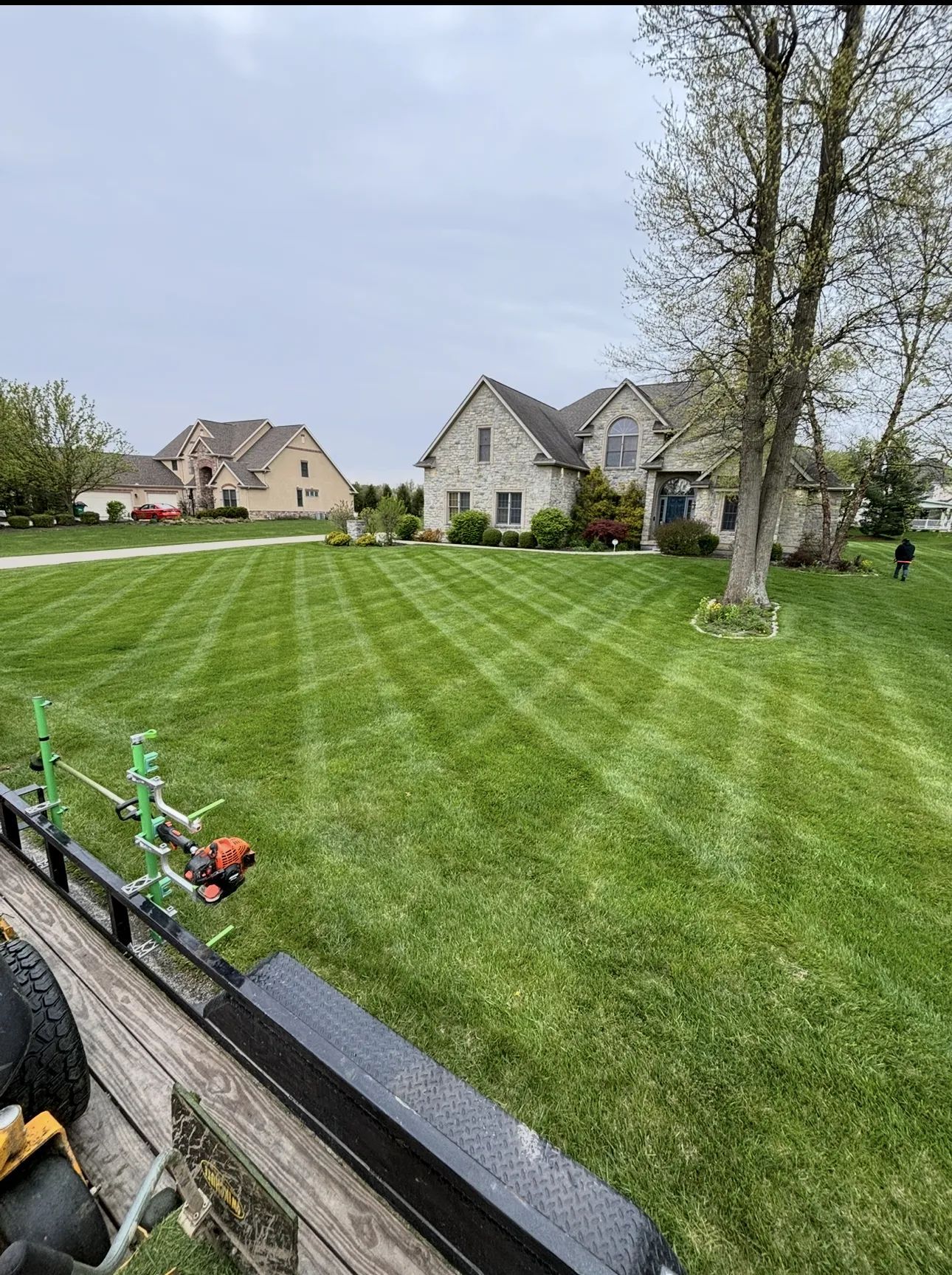
A well-fertilized lawn demonstrates a deep, uniform green color, thick turf, and consistent coverage. This aesthetic appeal increases property value and creates inviting outdoor spaces for recreation and relaxation. Homeowners often notice that neighborhoods with properly fertilized lawns have higher curb appeal and greater visual cohesion.
Improved Drought and Stress Resistance
Fertilized lawns develop stronger root systems that better access water and nutrients during dry spells. This resilience reduces the likelihood of brown patches, soil erosion, and grass dieback. For areas prone to heat waves or irregular rainfall, proper fertilization is a cost-effective way to maintain lawn vitality without excessive irrigation.
Reduced Long-Term Maintenance Costs
Investing in a fertilization plan can lower overall lawn maintenance expenses. Healthy, nutrient-rich grass requires fewer pest treatments, less reseeding, and reduced chemical interventions. Homeowners who follow a structured fertilization schedule often save both time and money while achieving superior results compared to reactive or sporadic care practices.
Environmental Benefits
Well-fertilized lawns contribute positively to the local environment. Healthy grass filters pollutants, reduces soil erosion, and improves carbon sequestration. Choosing the right fertilizers and applying them responsibly minimizes runoff and protects nearby water sources, making lawn care both effective and environmentally responsible.
Expert Tips for Developing a Fertilization Plan
Identify Grass Type and Growth Needs
Different grass species have unique nutrient requirements. Warm-season grasses such as Bermuda or Zoysia benefit from fertilization during late spring and summer, while cool-season grasses like Kentucky bluegrass thrive with fall applications. Tailoring fertilizer schedules to the grass type ensures optimal growth and resilience throughout the year.
Balance Macronutrients and Micronutrients
An effective fertilization plan considers both primary macronutrients (N, P, K) and essential secondary elements. Micronutrients such as iron, manganese, and zinc may be needed in smaller amounts but can significantly influence color, stress tolerance, and disease resistance. Consulting fertilizer labels or professionals ensures the correct balance for sustained lawn health.
Use Slow-Release Fertilizers Strategically
Slow-release fertilizers provide nutrients gradually over several weeks, reducing the risk of burn and promoting steady growth. They are especially effective for homeowners seeking low-maintenance solutions and more consistent results. Combining slow-release and targeted quick-release fertilizers allows for flexibility, addressing immediate deficiencies without compromising long-term health.
Keep Records and Adjust Accordingly
Maintaining records of soil tests, fertilizer applications, weather conditions, and lawn response helps refine future fertilization strategies. This data-driven approach allows homeowners to anticipate nutrient needs, reduce waste, and optimize lawn performance year after year. Over time, it becomes a personalized blueprint for consistent, professional-quality results.
Professional Lawn Maintenance Designed for Long-Term Health
A thriving lawn is the product of careful planning, informed decision-making, and consistent care. Fertilization is the cornerstone of lawn health, influencing color, density, root strength, and overall resilience. By understanding soil composition, grass requirements, and the timing of applications, homeowners can maximize the benefits of fertilization while avoiding common pitfalls such as overfeeding, nutrient imbalance, and environmental harm. Integrating fertilization into a broader lawn care routine—including mowing, aeration, and irrigation—ensures sustainable growth and long-lasting results.
For homeowners in Lima, Ohio, seeking
professional guidance, Hefner Outdoor Maintenance Enterprise
offers 15
years of expertise in developing and executing tailored lawn care solutions. Our team focuses on creating healthy, vibrant lawns through precise fertilization plans, comprehensive maintenance schedules, and environmentally responsible practices. We combine experience, industry knowledge, and personalized attention to ensure each lawn achieves its full potential. Trust Hefner Outdoor Maintenance Enterprise
to deliver professional, reliable, and results-driven lawn care for every season.