The Ultimate Guide to Year-Round Lawn Care Services
April 24, 2026
A healthy, well-maintained lawn is more than just an outdoor feature; it reflects property value, environmental balance, and long-term landscape health. Year-round lawn care services ensure that turf remains strong, resilient, and visually appealing across all seasons. Unlike seasonal maintenance approaches that address problems only when they appear, a structured year-round plan focuses on prevention, consistency, and sustainable growth. This approach helps manage soil quality, nutrient balance, weed control, and seasonal stress effectively.
In today’s landscaping industry, professional lawn care has become essential due to changing climate conditions, soil degradation, and increasing expectations for outdoor aesthetics. Property owners now seek reliable solutions that deliver continuous improvement rather than temporary fixes. Year-round lawn maintenance addresses these needs by combining seasonal strategies with science-based turf management practices. From early spring revitalization to winter protection, each phase plays a critical role in sustaining lawn health. Understanding these processes allows property owners to make informed decisions and achieve long-lasting green spaces that remain vibrant, functional, and environmentally sound throughout the year.
Understanding Year-Round Lawn Care Systems
The Concept of Continuous Lawn Management
Year-round lawn care is based on continuous monitoring and scheduled interventions aligned with seasonal changes throughout the year. Instead of reacting to problems after they occur, this approach focuses on prevention that maintains turf health. Soil structure, nutrient cycling, and climate adaptation require ongoing attention to ensure consistent growth, resilience, and long-term lawn stability across varying environmental conditions.
Why Consistency Matters
Grass growth cycles change throughout the year depending on temperature, rainfall, and sunlight exposure levels. Without a structured maintenance plan, lawns often develop patchy areas, weed intrusion, and nutrient imbalance. Continuous care ensures that the grass receives appropriate treatments at the right time, supporting uniform growth, stronger roots, and improved overall turf density and long-term lawn health stability improvement.
Key Components of a Year-Round Plan
A complete year-round lawn care system includes mowing schedules, fertilization cycles, irrigation adjustments, aeration, and pest monitoring. Each element works together to maintain balance across the turf ecosystem. Neglecting any single component can disrupt overall performance, making integrated care essential for achieving consistent growth, improved soil health, and long-term sustainability of the entire lawn system management and resilience.
Seasonal Lawn Care Strategies
Spring Revitalization
Spring represents a recovery phase after winter stress when lawns begin active growth again. Soil aeration, overseeding, and balanced fertilization help stimulate new grass development and restore turf density. Weed pre-emergent treatments are commonly applied during this period to prevent invasive species from establishing early and competing with healthy grass for nutrients and space very effectively and sustainably.
Summer Maintenance
During summer, lawns experience heat stress and increased water loss due to high temperatures and evaporation rates. Deep irrigation techniques help maintain consistent hydration levels in the soil. Adjusting mowing height reduces stress on grass blades and improves shade retention at the soil surface, supporting healthier turf conditions and improved resilience throughout the hot season, and overall plant stability.
Autumn Preparation
Autumn serves as a critical transition period where lawns prepare for winter dormancy. Leaf removal, soil enrichment, and root-strengthening treatments improve turf resilience before cold weather arrives. Fertilizers rich in potassium support root development and enhance cold tolerance, ensuring grass remains strong and capable of recovering quickly when spring growth begins again after winter seasonal readiness and strength.
Winter Protection
In winter, lawn growth slows significantly as temperatures drop and grass enters dormancy. Although visible growth reduces, protection remains essential for maintaining turf integrity. Preventing soil compaction, managing debris, and minimizing disturbance help preserve lawn structure. These practices ensure the turf remains stable, reducing damage and supporting a healthy recovery once spring conditions return, and long-term lawn resilience building.
Importance of Seasonal Adaptation
Each season requires a tailored lawn care approach because environmental conditions continuously change throughout the year. Ignoring seasonal differences can result in weak turf, pest problems, and uneven growth patterns. Strategic adjustments ensure balanced development, improved soil health, and long-term sustainability by aligning maintenance practices with natural seasonal cycles and weather fluctuations for optimal year-round lawn performance.
Soil Health, Fertilization, and Irrigation Management
Soil as the Foundation of Lawn Health
Healthy turf begins with nutrient-rich soil that supports strong root development and sustained grass growth. Soil structure influences water retention, nutrient availability, and microbial activity essential for lawn health. Regular soil testing identifies deficiencies early, allowing targeted treatments that improve fertility, enhance root penetration, and create stable conditions for long-term lawn performance and resilience, and improve soil ecosystem balance.
Fertilization Techniques
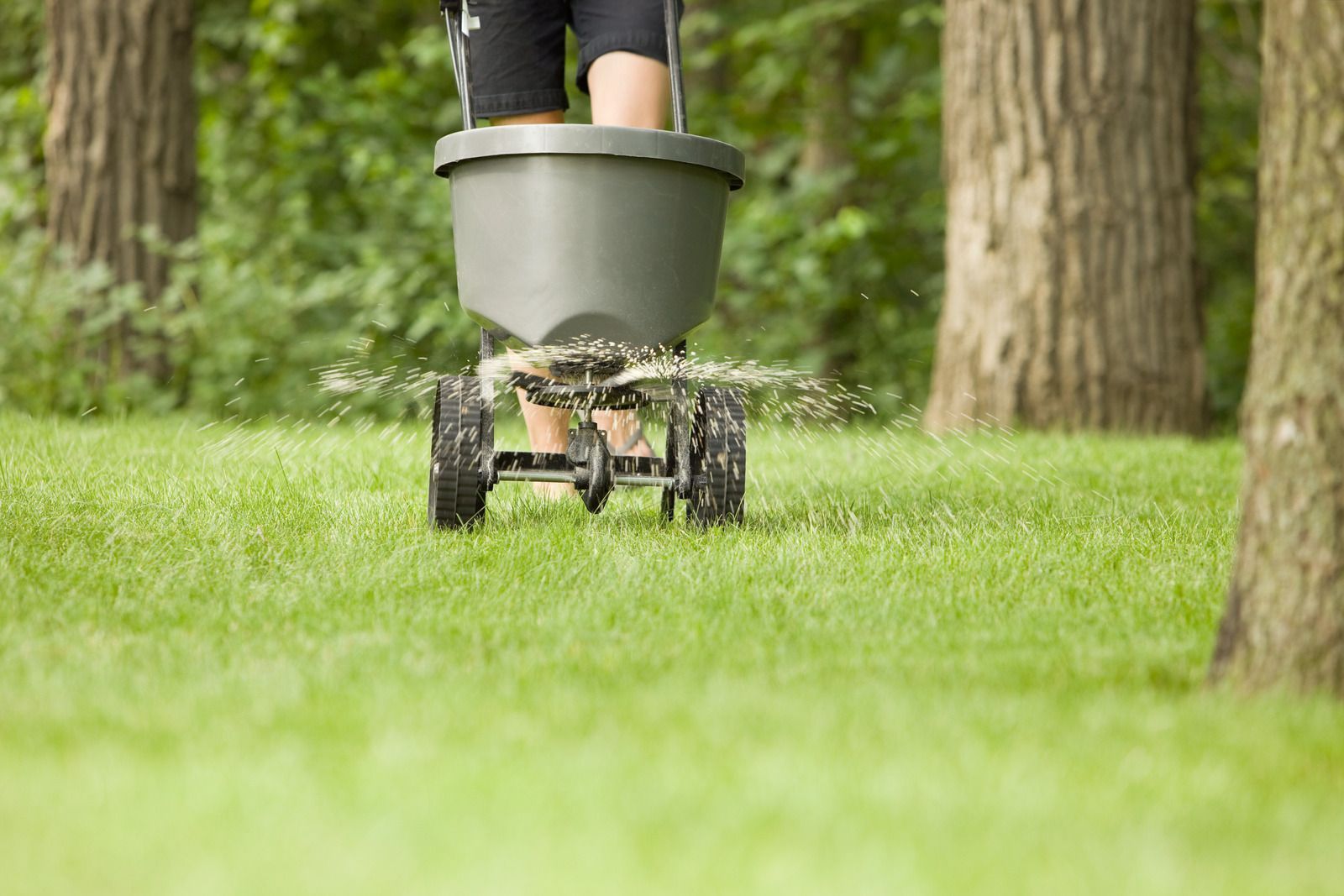
Balanced fertilization provides essential nutrients such as nitrogen, phosphorus, and potassium, which support healthy grass growth and strong root systems. These nutrients improve plant resilience, disease resistance, and overall turf vigor. Slow-release fertilizers are commonly used to ensure consistent nourishment over time, preventing nutrient overload while maintaining steady growth and long-term soil health, stability management, and efficiency enhancement.
Irrigation Best Practices
Proper irrigation management ensures that lawns receive adequate moisture without causing oversaturation. Deep and infrequent watering encourages roots to grow deeper into the soil, improving drought resistance and long-term resilience. Overwatering should be avoided because it can lead to fungal growth, soil compaction, and reduced oxygen availability within the turf root zone, supporting sustainable lawn ecosystem balance systems.
Integrated Soil Management
Integrated soil management combines fertilization, irrigation scheduling, and soil monitoring to create stable growing conditions for lawns. Adjustments based on seasonal weather patterns ensure nutrients and water are effectively absorbed and utilized by the grass roots. This coordinated approach improves soil structure, enhances turf resilience, and reduces long-term maintenance challenges while promoting sustainable lawn development, efficiency optimization, and balance.
Pest and Weed Control Strategies
Preventive Weed Management
Weeds compete with grass for essential nutrients, water, and sunlight, often reducing turf quality and density. Pre-emergent herbicide treatments help prevent weed seeds from germinating, while post-emergent solutions target existing growth. Consistent application schedules are important for maintaining effective control, ensuring lawns remain healthy, uniform, and free from invasive plant species throughout the growing season.
Pest Identification and Control
Common lawn pests such as grubs and insects can damage root systems and weaken overall turf structure if left untreated. Early detection through regular lawn inspections helps prevent widespread infestation and long-term damage. Targeted pest control treatments reduce harmful activity while minimizing disruption to beneficial soil organisms, maintaining a balanced and healthy lawn ecosystem, environmental stability, and health.
Disease Prevention
Lawn diseases and fungal infections often develop due to excess moisture, poor drainage, or inadequate airflow across turf surfaces. Proper mowing practices, improved drainage systems, and seasonal maintenance adjustments help reduce these risks. Preventive care is more effective than reactive treatment, ensuring lawns remain healthy, resilient, and less susceptible to long-term structural damage through overall turf protection strategy implementation.
Balanced Ecosystem Approach
Effective pest and weed management focuses on maintaining a balanced lawn ecosystem rather than attempting complete elimination of all organisms. A healthy turf environment naturally resists invasive species and reduces dependency on chemical treatments. Encouraging biodiversity within soil and grass systems supports long-term stability, improves resilience, and promotes sustainable lawn health with a minimal intervention ecological balance enhancement focus.
Benefits of Professional Lawn Maintenance Services
Expertise and Precision
Professional lawn care services provide specialized expertise, advanced tools, and structured maintenance programs designed to improve turf health and performance. Experienced technicians can accurately diagnose soil conditions, nutrient deficiencies, and seasonal requirements. Their precision ensures appropriate treatments are applied at the right time, leading to healthier grass, improved resilience, and long-term lawn stability and growth outcomes optimization results.
Time and Resource Efficiency
Outsourcing lawn maintenance saves significant time and resources while ensuring consistent, high-quality results throughout the year. Instead of managing multiple maintenance tasks individually, property owners benefit from structured service schedules handled by professionals. This efficiency allows better allocation of time and reduces stress while maintaining optimal lawn health and appearance across all seasonal conditions, effectively improving operational balance.
Long-Term Value
Regular professional lawn maintenance increases property value, enhances curb appeal, and reduces long-term repair costs by preventing major turf issues before they develop. Healthy lawns require fewer corrective treatments when managed consistently by experienced professionals. This proactive care approach ensures sustainable landscape quality, improved durability, and lasting visual appeal across all seasons throughout the year with long-term value.
Reliable Professional Lawn Care Service Excellence Delivered
Year-round lawn care is essential for maintaining strong, healthy, and visually appealing outdoor spaces. A structured approach ensures that every season contributes positively to turf development, from soil nourishment to pest control and climate adaptation. Consistency, timing, and proper technique remain the foundation of sustainable lawn management. When each element works together, lawns become more resilient, balanced, and easier to maintain over time.
Professional support further enhances results by applying expert knowledge and systematic care practices that align with environmental conditions and long-term growth patterns.
Hefner Outdoor Maintenance Enterprise, based in Lima, Ohio, brings over 15
years of experience in delivering reliable lawn care service solutions tailored to diverse property needs. Our approach focuses on precision, consistency, and long-term turf health. We prioritize sustainable practices that enhance soil quality, improve grass resilience, and maintain seasonal balance throughout the year. Every project is handled with attention to detail, ensuring lawns remain healthy, attractive, and structurally strong. Our commitment to excellence positions us as a trusted authority in year-round lawn maintenance, dedicated to achieving lasting outdoor results for every property we serve.